
Hard-won Nonprofit Event Lessons from the Field
We’ve all been there.
Gobsmacked by those “Why didn’t anybody tell me?” moments as we grow our professional career. For those of us charged with event planning, these moments happen more often than we may care to admit.
Well, now somebody is telling you. Actually, three respected nonprofit somebodies!
To help pass along wisdom to folks at every phase of their nonprofit events career, I spoke with three seasoned professionals: Elizabeth Anderson, National Director, Emerging Markets for Breakthrough T1D; Catherine Day, Senior Consultant for Alexander Ross Group; and Kate Soldan, Founder of Kateify.
These rockstars know that throwing a successful event is a serious investment in time, resources, attention to detail, and trial and error. Even with meticulous planning, a little thing (or three) may go off script, and they’ve been through the muck so you don’t have to. Okay, you’ll still wade through it, but keep these tips handy to ease the learning curve.
Walk through again (and again)
One dry run through the event—or only talking through plans on paper—isn’t enough. Physically moving through the event space helps you envision the flow, identify potential bottlenecks, and anticipate challenges. Catherine recommends several walkthroughs before welcoming guests in the door:
Run the audio/video exactly as it should play at the event.
Microphones squawk, internet connections fail, and computers freeze. Catherine recalls one event where the formal program’s audio played without the video and vice versa due to switch control issues—lesson learned!
Walk through the full event program with all event staff and volunteers.
Team members’ experience (with donors, your organization, events in general) can vary dramatically, and team walkthroughs help create camaraderie while clarifying each person’s role.
Focus at least one walkthrough from a donor’s perspective. Invite a colleague who hasn’t been in the thick of planning to offer fresh eyes as you assess:
Wayfinding and traffic flow. Are there clear signs and/or event staff to direct guests from parking to coat check to elevators to registration to restrooms to event space? Is there enough room for guests to wait comfortably inside if a registration line forms during inclement weather? How long does it take for the elevator to retrieve guests (and can you set up appetizers or photos while they wait?)? Are there any areas that aren’t accessible?
Length and cadence of formal program segments. Are there lulls or will guests stay engaged? Do the asks feel purposeful, inspired, and well-paced?
Respect your vendors
Each person involved in the event plays a part in creating a smooth, enjoyable experience for your donors. Treat everyone, including catering and security teams, with care. They are often the ones to save the day when things go sideways. More vendor notes:
Get bids from three vendors for each component (catering/venue/auctioneer, etc.). If a vendor comes recommended by a board member, think through the political implications if the contract doesn’t go well.
Slightly over-purchase catering. The risk of running out of food outweighs saving a few catering dollars.
Assign a staff liaison, armed with a detailed shot list, to accompany a professional photographer. Who wants to realize the next day that there’s no picture of the awards presentation/board of trustees/lead donors/campaign chairs?
Organize vendor payments in advance. Dealing with final checks (and potential issues) amidst the chaos of event day can compromise the flow of the event.
Back it up
When asked for her number one tip, Catherine was quick to declare, “Always have a plan B.” Because things can and will go wrong—like a registration bottleneck or escalator mishap—but thorough backup plans allow you to keep your cool and pivot swiftly. Technology is a common pitfall, and she encourages event organizers to:
Include all aspects of tech in your walkthrough.
Print at least one hard copy of your registration list.
Bring extra copies of everything.
Task a runner with addressing issues quickly. If resources allow, designate a different person for each major type of potential issue (tech, VIPs, seating charts, etc.) and make sure all staff and volunteers know who is taking the lead.
Remember that while everything won’t necessary flow exactly as you planned, “guests don’t know what ‘should’ have happened,” Catherine says. “If they leave feeling appreciated, you’ve done your job.”
Oh, and!
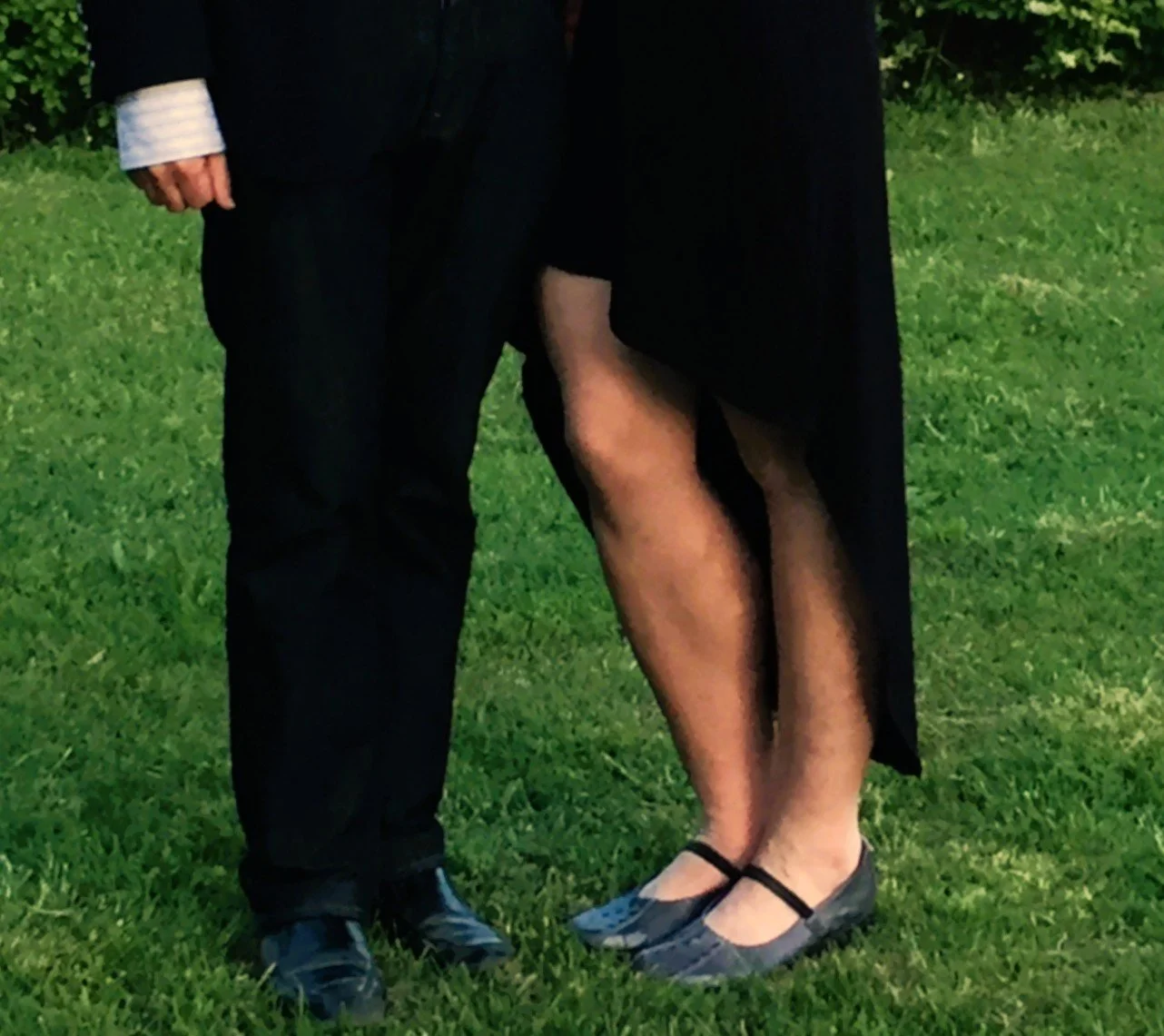
Wear comfortable shoes.
Plan for staff breaks and meals so your team can recharge during natural pauses in the program.
Provide nametags and/or professional badges for board, staff, and guests.
Remember why you’re here
Authentic connections are at the heart of sustainable philanthropic revenue. As fundraising becomes less transactional and more relationship-driven, positioning events to strengthen relationships is more important than ever.
Indeed, nonprofit professionals are in the relationship business. Revisit this article and this one for a refresher on prioritizing the guest experience. In addition, Kate suggests weaving your “why” throughout the event—signage, speeches, videos, and impact stories—so your mission is an emotional throughline versus a pressured sidenote.
Elizabeth emphasizes the overarching donor experience takeaway with a quote from author Matt Haig: "Never underestimate the importance of small things."
“From speaking with a donor and remembering their grandchild's name,” says Elizabeth, “to including a small thank you note on a gala attendee's seat, to thanking someone for assisting with a small task, appreciating and acknowledging go a long way.”
Thanks to the generosity of guidance from your fellow event professionals, before you know it, you’ll be the one sharing your hard-won event wisdom with the next generation of pros.
Elizabeth Anderson has worked at mission-driven organizations spanning the spectrum from a 1-person grant-making organization to the largest global funder of innovative breakthroughs to cure, prevent, and treat Type 1 Diabetes. Catherine Day’s nonprofit career includes supporting, planning, and executing events ranging from intimate breakfasts to 300+ person galas, both as a team member and as a one-person showrunner. Kate Soldanhas more than 20 years of experience planning and executing 100+ events, from nonprofit fundraisers to corporate gatherings.
Original article written for and published by RSVPify.
